Understanding Gemstone Jewelry: A Guide to Terminology like Chatoyancy and Beyond
- Cherry
- Dec 14, 2025
- 3 min read
Gemstone jewelry captivates with its beauty and mystery, but understanding the terms used to describe these precious stones can deepen your appreciation. Whether you are a collector, a buyer, or simply curious, knowing gemstone terminology helps you make informed choices and recognize unique qualities in jewelry pieces. This guide explains key terms like chatoyancy, clarity, and more, making gemstone jewelry easier to understand and enjoy.

What Is Chatoyancy and Why It Matters
Chatoyancy is a fascinating optical effect seen in some gemstones. It appears as a bright, narrow band of reflected light that moves across the surface when the stone is turned. This effect resembles the slit eye of a cat, which is why it is often called the "cat's eye" effect.
This phenomenon occurs due to the reflection of light from parallel fibrous inclusions or cavities inside the stone. Chrysoberyl is the most famous gemstone that shows chatoyancy, but it can also be found in tiger’s eye quartz and some varieties of tourmaline.
Why chatoyancy is important:
It adds a unique visual appeal to gemstone jewelry.
Stones with strong chatoyancy are often more valuable.
It helps identify certain gemstones and distinguish them from imitations.
When shopping for gemstone jewelry, look for a sharp, well-defined band of light that moves smoothly across the surface. This indicates a high-quality chatoyant stone.
Common Gemstone Jewelry Terms You Should Know
Understanding gemstone jewelry involves more than just chatoyancy. Here are some other important terms:
Clarity
Clarity refers to the presence of internal or external flaws, called inclusions and blemishes. These can affect the stone’s appearance and value. For example:
Eye-clean stones have no visible inclusions to the naked eye.
Stones with many inclusions may appear cloudy or dull.
Clarity is graded differently depending on the gemstone type, but clearer stones generally command higher prices.
Cut
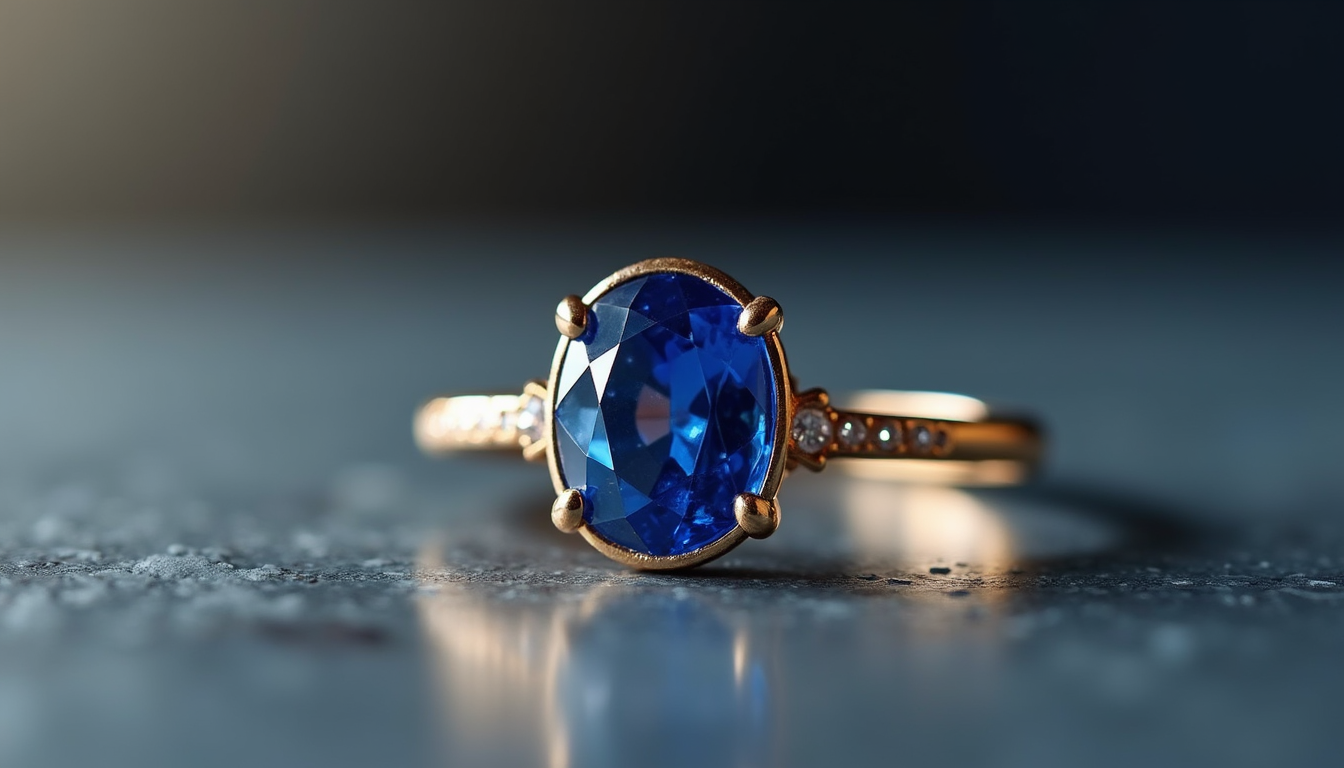
The cut of a gemstone affects how it reflects light and sparkles. It involves shaping and faceting the stone to maximize brilliance. Common cuts include:
Round brilliant
Oval
Cushion
Emerald
A well-cut gemstone jewelry piece will have balanced proportions and symmetrical facets that enhance its beauty.
Color
Color is one of the most noticeable features of gemstone jewelry. It includes hue (the basic color), tone (lightness or darkness), and saturation (intensity). For example:
A sapphire’s value depends heavily on its rich, vivid blue color.
Emeralds are prized for their deep green hue.
Color preferences vary by culture and personal taste, but natural, vibrant colors usually increase a gemstone’s worth.
Transparency
Transparency describes how much light passes through a gemstone. It ranges from transparent (clear) to opaque (no light passes through). For example:
Diamonds and sapphires are typically transparent.
Lapis lazuli is usually opaque.
Transparency affects the stone’s appearance and how it interacts with light.
Asterism
Asterism is another optical effect seen in some gemstones. It creates a star-shaped pattern of light on the surface, often with four, six, or twelve rays. This effect is caused by needle-like inclusions aligned in specific directions.
Star sapphires and star rubies are famous examples of gemstones showing asterism. Like chatoyancy, asterism adds uniqueness and value to gemstone jewelry.
How to Use This Knowledge When Buying Gemstone Jewelry
Knowing these terms helps you evaluate gemstone jewelry more confidently. Here are some tips:
Ask about optical effects like chatoyancy or asterism if you want something unique.
Check clarity by examining the stone under good light or with a jeweler’s loupe.
Consider the cut to ensure the gemstone sparkles and looks balanced.
Look for natural color that matches your preference and the stone’s typical hues.
Understand transparency to know how the stone will appear in different lighting.
This knowledge also helps you avoid common pitfalls, such as paying too much for stones with poor clarity or fake chatoyancy effects created by coatings.
Caring for Gemstone Jewelry with Special Effects
Gemstone jewelry with chatoyancy or asterism often requires careful handling to preserve its beauty:
Avoid harsh chemicals that can damage the stone’s surface.
Clean gently with mild soap and water, using a soft brush.
Store separately to prevent scratches, especially for softer stones like chrysoberyl.
Have your jewelry checked regularly by a professional to maintain settings and polish.
Proper care ensures your gemstone jewelry keeps its unique optical effects and lasts for generations.


